
Bookmaker Bonuses 2026: Value Calculator & Tracker
 Available in US

The sports betting industry runs on bonuses. Open any bookmaker’s website and you’re immediately bombarded with offers screaming for attention matched deposits up to a thousand dollars, risk-free bets, odds boosts, and promotions so complicated they require a mathematics degree to evaluate. For new bettors, these offers look like free money. For bookmakers, they’re carefully calculated customer acquisition costs designed to extract far more value than they give away.
The uncomfortable truth that most bonus comparison sites won’t tell you is that the vast majority of bookmaker bonuses are structured to benefit the house far more than the customer. That doesn’t mean all bonuses are worthless or that you should avoid them entirely. It means you need to understand exactly what you’re getting, what it’s actually worth after accounting for restrictions and requirements, and whether accepting the bonus aligns with your betting goals or works against them.
This guide strips away the marketing hype to examine how bookmaker bonuses actually work. We’ll explore different promotion types, the terms that determine real value, the mathematical reality of rollover requirements, why some bonuses that look amazing are terrible deals, and which promotions genuinely offer value worth pursuing.
The Math of Rollovers: Calculating Real Bonus Yield
Before diving into specific bonus types, you need to understand the fundamental economics of why bookmakers offer bonuses at all. Companies don’t give away money out of kindness. Every dollar spent on bonuses is a calculated business expense with expected return on investment based on years of customer behavior data.
When a bookmaker offers you a five hundred dollar matched deposit bonus, they’ve already run the numbers. They know what percentage of customers will fail to meet rollover requirements and forfeit the bonus entirely. They know what percentage will complete requirements but lose more than the bonus amount trying because of the built-in house edge. They know what percentage will successfully extract some value but then become regular customers who lose money over time. The bonus is structured so that even after paying out to the small percentage who successfully extract full value, the bookmaker still profits overall.
The primary mechanism bookmakers use to ensure bonuses remain profitable is rollover requirements, also called wagering requirements or playthrough. These specify how many times you must bet the bonus amount before it converts from restricted promotional funds to withdrawable cash. A five hundred dollar bonus with ten times rollover means you must place five thousand dollars in wagers before you can withdraw any of the bonus or winnings. During those five thousand dollars of required betting, you’re facing the bookmaker’s margin on every wager, and that edge compounds across all required bets.
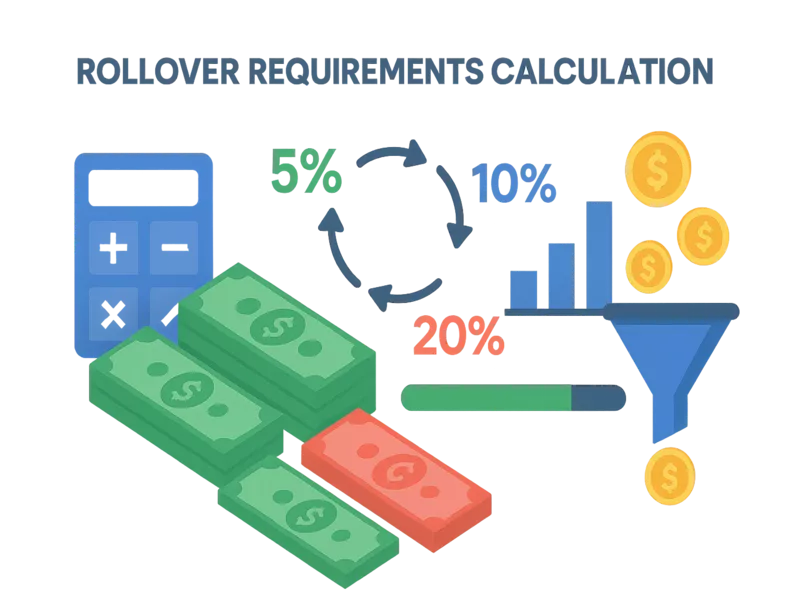
The mathematics work against you in ways most bettors don’t fully appreciate. That five hundred dollar bonus with ten times rollover at a bookmaker with typical five percent margin means over five thousand dollars in total wagering, you’ll lose approximately two hundred fifty dollars in expected value to the house edge. The actual results vary based on luck, but the mathematical expectation is that completing rollover costs you about half the bonus value just from the built-in edge.
This is why bookmakers can confidently offer what look like generous bonuses they know the structure ensures profitability. The bonus isn’t free money. It’s a discount on the house edge you’re paying anyway, and only if you successfully navigate all the terms without triggering any of the many ways bonuses can be forfeited.
Minimum odds requirements add another layer reducing bonus value. Most bonuses specify wagers only count toward rollover if placed at odds above a certain threshold, commonly 1.50, 1.80, or 2.00 in decimal odds. This prevents safely grinding out requirements by betting heavy favorites where outcomes are relatively predictable. Instead, you’re forced into markets with genuine uncertainty, increasing likelihood you’ll lose significant amounts while trying to clear the bonus.
Time limits create additional pressure. Many bonuses must be cleared within thirty days, two weeks, or even seven days. This forces faster betting than you might naturally do, potentially leading to poor decisions made under time pressure. If you don’t complete rollover within the specified timeframe, you typically forfeit the bonus and any winnings generated from it, even if you’re ninety percent through the requirement.
Maximum bet restrictions prevent clearing rollover quickly with large wagers. Most bonuses cap the maximum bet counting toward rollover at modest amounts like twenty-five or fifty dollars. This forces more individual bets, giving the house edge far more chances to work against you. Twenty large bets and two hundred small bets both complete the same rollover dollar amount, but two hundred bets give the house edge far more opportunities to extract value.
Withdrawal restrictions represent perhaps the most annoying condition many bettors don’t realize until too late. Most bonuses require that both the bonus and your initial deposit go through rollover before anything is withdrawable. Deposit five hundred to get a five hundred bonus with ten times rollover, and your entire thousand dollars is locked until you complete five thousand in wagering. If you change your mind, your own deposit money is trapped.
The Main Bonus Types Explained

Understanding specific structures of different bonus types helps you evaluate which offers might be worth your time.
Matched deposit bonuses are the most common structure. The bookmaker matches your deposit by a certain percentage up to a maximum amount. Deposit three hundred with hundred percent match up to five hundred, you receive three hundred in bonus funds. The match percentage varies some aggressive promotions offer hundred fifty or two hundred percent, while conservative bonuses might be fifty percent.
The appeal is obvious extra funds to bet with. The reality is that rollover requirement, minimum odds, time limits, and other restrictions determine whether these provide genuine value or trap your money in forced betting that costs more than the bonus is worth. Matched deposit bonuses at offshore bookmakers typically have more reasonable rollover like five to eight times. Regulated bookmakers often have higher rollover around fifteen to twenty times because they’re spending more on marketing.
Risk-free bets or bet insurance promise to refund your wager if it loses, up to a specified amount. Place a five hundred dollar bet and if it loses, you get five hundred in bonus funds back. These sound fantastic because downside is eliminated. But the refund comes as bonus funds subject to rollover, not cash. You don’t actually get your money back you get promotional funds you must bet multiple times, and you’ll likely lose significant portions completing rollover.
The expected value calculation on risk-free bets is more favorable than matched deposits because you keep winnings if your bet wins, and you get rollover funds if it loses. But the value is nowhere near the advertised amount. A five hundred dollar risk-free bet is worth maybe one hundred fifty to two hundred fifty in actual expected value depending on odds and rollover, not the five hundred implied by marketing.
Odds boosts increase the payout on specific bets. The bookmaker might boost odds on a team from 2.50 to 3.00. Odds boosts are actually one of the better promotional structures because they provide direct value without complex rollover. You simply get better odds. The catch is odds boosts usually have low maximum bet limits often just ten to fifty dollars limiting how much value you can extract. They’re also typically offered on markets where the bookmaker has comfortable edge or on outcomes they’re happy to take action on.
Profit boosts or parlay insurance give you bonus funds based on betting activity. Win a three-leg parlay and get a ten percent profit boost as bonus funds. These promotions reward betting behavior bookmakers want to encourage specifically parlays and accumulators that have terrible expected value because of compounding house edge. The bonus you receive is typically small relative to the extra edge you paid on all the parlay betting that qualified you.
Loyalty programs and VIP rewards give benefits based on volume or account longevity. You might earn points for every dollar wagered redeemable for bonus funds. Higher-tier VIP status might provide exclusive bonuses, dedicated account managers, better withdrawal limits, or event invitations. Loyalty programs work well for bookmakers because they encourage continued betting to maintain status, and rewards given are worth less than the extra betting they encourage.
Refer-a-friend bonuses pay you for bringing in new customers. Refer someone who signs up and deposits, both receive fifty or a hundred in bonus funds. The value is straightforward if you know people interested in betting who were going to sign up anyway, you might as well get compensated. Bonuses typically come with rollover requirements, but you weren’t betting your own money to get them, so value is essentially free even after rollover cost.
Red Flags in Bonus Terms

Certain terms should immediately make you skeptical about whether a bonus is worth accepting.
Extremely high rollover requirements above twenty times suggest the bookmaker is either desperate for customers or structuring bonuses to be nearly impossible to clear successfully. At twenty-five or thirty times rollover, even betting perfectly at markets with minimal house edge, mathematical expectation is that completing rollover will cost more than bonus value. These are sucker bets designed to look generous while being nearly worthless or negative expected value.
Very short time limits under two weeks indicate the bookmaker wants to pressure you into fast, potentially poor decisions rather than giving time to clear rollover through normal betting. Seven-day limits on large bonuses are particularly problematic because they force volume that’s hard to achieve with quality decisions. This artificially increases house edge extraction because you’re making marginal bets under time pressure.
Vague or complicated terms that are difficult to understand should always trigger skepticism. If you can’t clearly determine what you need to do to clear the bonus and withdraw funds, that ambiguity is almost certainly intentional. Bookmakers who want you to successfully extract value write clear, straightforward terms. Those who profit from customers failing write confusing terms leaving room for interpretation.
Maximum bet limits well below what you’d naturally bet suggest the bonus is designed more to trap your deposit than provide value. If you normally bet a hundred dollars per game and the bonus has a ten-dollar maximum bet counting toward rollover, clearing will take five to ten times longer, giving the house edge far more chances to work against you.
Game restrictions that force betting on markets you have no expertise in reduce your expected value and increase the house advantage. If a bonus requires clearing rollover on tennis but you only know football, you’re betting blind in unfamiliar territory where the bookmaker’s edge is maximized. These restrictions exist specifically to push customers into disadvantageous betting.
Bonuses Worth Taking

Not all bonuses are bad deals. Some promotional structures genuinely provide value worth pursuing if you understand terms and can realistically clear them through normal betting activity.
Low rollover matched deposits at sharp bookmakers can provide legitimate value. A hundred percent match bonus with five times rollover at a book with low margins gives you enough extra betting funds that expected value even after rollover is genuinely positive. You’re essentially getting a discount on house edge you’d pay anyway. The key is rollover is low enough that clearing it through normal betting doesn’t cost more than bonus value, and margins are tight enough that edge during rollover is minimal.
Simple cashback structures offer straightforward value without complex conditions. Heritage Sports offers quarterly cashback where you receive a percentage of total wagering volume back as bonus funds with minimal rollover. You’re betting anyway, and you get back a percentage regardless of whether you won or lost. The cashback percentage is typically modest one to three percent but it’s essentially free value on betting you were doing regardless. Rollover on cashback bonuses is usually very low, like one or two times.
Odds boosts with reasonable limits on markets you were betting anyway represent pure value. If you were already planning to bet a game and the bookmaker offers enhanced odds on your selection with a fifty dollar limit, you’re simply getting better price. The only downside is the low limit restricting how much value you can extract, but some value is better than none. The key is odds boosts only provide value if they’re on bets you would make anyway at fair odds.
Risk-free bets with low rollover and realistic time limits can be worth taking. A five hundred dollar risk-free bet where refund comes as bonus funds with five times rollover over thirty days has genuine positive expected value if you were betting the game anyway. You’re getting a free swing win and keep winnings, lose and get rollover funds worth something even after clearing them.
No-deposit bonuses that give you free funds just for signing up are always worth taking if terms allow reasonable withdrawal. Some bookmakers offer ten to twenty-five dollars free just for creating an account. Even with rollover, you’re playing with completely free money at zero risk. The amounts are usually small, but if you can clear rollover through a few normal bets, it’s free value.
Check out the top site for sports betting to discover new daily offers and enhanced odds.
How to Evaluate Any Bonus Offer
When you encounter a bonus offer, systematic evaluation helps determine whether it’s worth accepting.
Start with the gross bonus amount being offered. A hundred percent match up to five hundred means maximum bonus is five hundred if you deposit that amount. This is the starting point, not the value you’ll actually extract.
Identify the rollover requirement and multiply the bonus by that number to get total required wagering. Five hundred bonus with ten times rollover means five thousand total wagering required.
Estimate the house edge you’ll face during rollover based on what markets you’ll bet and which bookmaker. If you’re betting NFL spreads at a standard bookmaker with five percent margin, use five percent. If you’re betting at a sharp book with three percent margin, use three percent.
Calculate the expected cost of clearing rollover by multiplying total required wagering by estimated house edge. Five thousand wagering at five percent edge equals two hundred fifty dollars in expected losses from completing rollover.
Subtract rollover cost from gross bonus amount to get estimated net value. Five hundred bonus minus two hundred fifty rollover cost equals approximately two hundred fifty net expected value if everything goes perfectly.
Account for additional factors that reduce real value time pressure forcing suboptimal betting, maximum bet restrictions forcing more wagers, game restrictions pushing you into unfamiliar markets, minimum odds requirements forcing riskier bets, and friction of tracking rollover progress.
To get the most out of your bonus, combine it with a solid odds comparison and line shopping strategy.
Compare estimated net value to time investment required. If extracting two hundred fifty dollars value requires fifteen hours of careful work, that’s about seventeen dollars per hour. Is that worth your time?
Consider your likelihood of actually clearing the bonus successfully versus giving up partway or losing more than expected due to variance. If you historically complete thirty percent of bonuses you start, multiply expected value by point-three for realistic estimate.
Building Your Bonus Strategy
Rather than approaching bonuses randomly or ignoring them entirely, developing a coherent strategy helps you extract genuine value while avoiding traps.
For recreational bettors primarily interested in entertainment, the bonus strategy should focus on convenience and simplicity rather than optimization. Take welcome bonuses at bookmakers you plan to use anyway, but only if terms are straightforward and rollover is low enough to clear through normal betting without major time pressure. Don’t chase bonuses at bookmakers you wouldn’t otherwise use. Don’t accept bonuses with complex terms you don’t fully understand.
For serious bettors focused on long-term profitability, the bonus strategy should be conservative and focused on preserving account longevity rather than extracting maximum short-term value. Take the welcome bonus at bookmakers you plan to use long-term, but then bet normally rather than displaying obvious bonus hunting behavior that gets you restricted. Your long-term betting edge is worth far more than short-term bonus value if accepting bonuses causes you to lose access to good betting markets.
For part-time advantage players interested in supplementing income through disciplined bonus hunting, the strategy should be systematic and calculated. Maintain spreadsheets tracking available bonuses, expected value after rollover costs, time investment required, and results. Focus on bonuses with genuinely positive expected value after all costs, and skip marginal promotions that aren’t worth time investment. Accept that account restrictions are inevitable and plan for them.
Whatever your approach, never accept bonuses without first carefully reading and understanding full terms and conditions. Never let bonus offers pressure you into depositing more than planned or betting more than bankroll management allows. Never chase bonuses at sketchy operators with poor reductions just because the promotion looks generous the risk of non-payment outweighs any potential bonus value.
The best bonus is one that provides value on betting you were going to do anyway, with clear terms you understand completely, at a bookmaker you’ve verified is reputable, with rollover requirements low enough that clearing them through normal betting has positive expected value even after accounting for house edge and variance. Everything else is marketing noise designed to extract money from you rather than give it to you.
