
Odds Comparison & Line Shopping: 2026 Value Guide
 Available in US
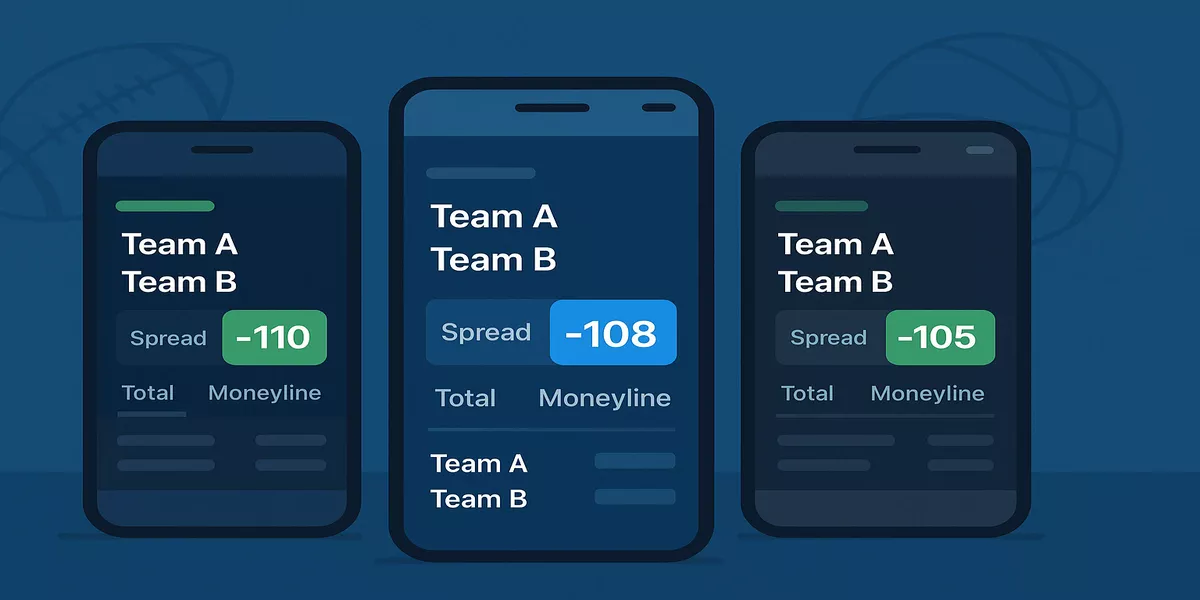
Most bettors treat odds like background noise something that exists, varies slightly between bookmakers, but doesn’t really matter enough to worry about. You want to bet on the Chiefs, you open your preferred bookmaker app, see minus-110, click the button and place your bet. The thought of checking what odds three other bookmakers are offering never crosses your mind because it feels like unnecessary work for minimal difference.
This casual approach to odds is costing you enormous amounts of money over time. Not in dramatic, immediately visible ways, but through slow, relentless erosion that compounds across hundreds or thousands of bets into the difference between being profitable and losing. The mathematics are unforgiving consistently betting at minus-110 when minus-105 is available elsewhere is voluntarily paying extra to make the same bet. Do this across your entire betting volume, and you’re essentially writing checks to bookmakers for thousands of dollars annually that you could have kept simply by taking sixty seconds to check odds at multiple books.
Line shopping the practice of maintaining accounts at multiple bookmakers and always taking the best available price is the single most important habit you can develop as a sports bettor. It’s more impactful than improving your handicapping skills, studying advanced statistics, or following insider information. Better odds compound across every bet you make for your entire betting career, providing permanent improvement to your bottom line without requiring you to get better at picking winners. You can be mediocre at predicting outcomes but still profit if your odds are consistently better than other bettors getting worse prices on the same selections.
This guide explains why odds differences matter far more than most bettors realize, how to actually implement line shopping in practical ways, which bookmakers consistently offer the best odds on which sports, and the tools and strategies that make comparison efficient rather than tedious.
Compounding Gains: The ROI Impact of Line Shopping
The typical reaction when someone first encounters line shopping is dismissive. The difference between minus-110 and minus-108 is two cents. How much could that possibly matter?
The problem with this intuition is that it fundamentally misunderstands what those numbers represent. Minus-110 and minus-108 aren’t prices in the sense of costing two cents different. They’re expressions of required win percentage to break even, and those small differences translate to meaningful differences in the win rate you need to sustain profitability.
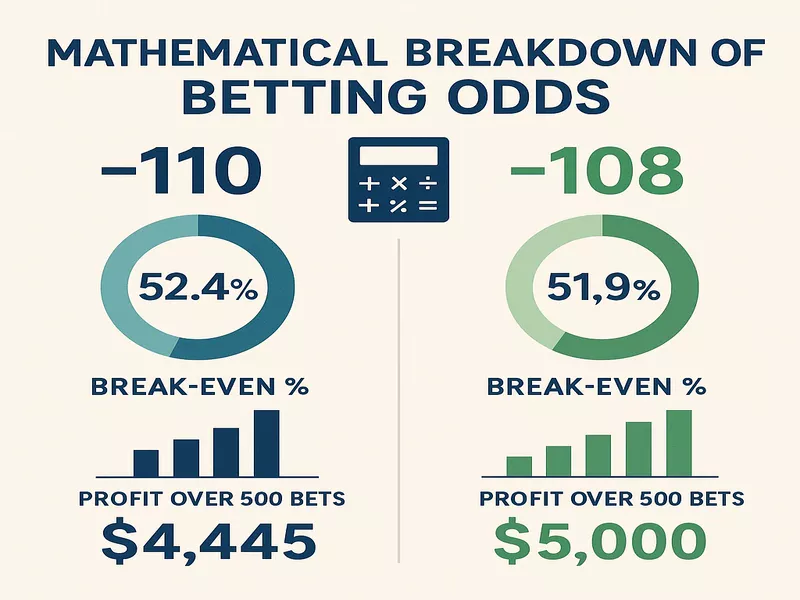
At standard minus-110 odds, you’re risking one hundred ten dollars to win one hundred. If you bet both sides of a coin flip at minus-110, you’re guaranteed to lose win one side and lose the other, you’re down ten dollars even though you won exactly fifty percent. To break even at minus-110, you need to win approximately 52.4 percent of your bets. This is your breakeven threshold win more than 52.4 percent long-term and you profit, win less and you lose.
At minus-108 odds, you’re risking one hundred eight to win one hundred. The breakeven win percentage drops to approximately 51.9 percent. You need half a percentage point less accuracy to achieve the same result. Over one hundred bets, this means you can lose one additional bet compared to minus-110 and still break even. Over a thousand bets, you can lose five more bets and achieve identical results to someone betting minus-110.
Now extend this across realistic betting volume. A serious bettor might place five hundred to a thousand bets per year. A recreational bettor with a genuine hobby might place a hundred to two hundred. At fifty dollars average bet size betting minus-110 versus minus-108 on five hundred bets annually where you’re hitting fifty-two percent winners, the difference in profit is approximately one hundred fifty to two hundred dollars per year. That’s real money for what amounts to spending an extra minute per bet checking prices at three bookmakers instead of one.
Scale this up to a professional bettor wagering a hundred thousand dollars annually at minus-105 instead of minus-110 because they’re consistently finding the best lines available, and the difference becomes three to four thousand dollars annually in extra profit without winning a single additional bet. They’re making the exact same picks as someone betting minus-110, but they’re capturing that much more value simply by shopping for price.
The compounding nature of odds advantages is what makes this so powerful. Every single bet you make for your entire betting career gets the benefit of better odds if you shop consistently. It’s not something you need to get right occasionally it’s a permanent improvement to your expected value on every wager. Unlike handicapping skill which varies based on sport and matchup, odds advantages are automatic and consistent if you build the habit.
The psychological challenge is that the impact of any individual bet getting better odds is invisible. You’ll never look at a specific bet and think the two cent difference really made the difference. The bet either wins or loses, and the difference seems meaningless. But probability doesn’t care about individual outcomes it expresses itself across large samples. Your betting results work the same way. Individual bets are noise, but across hundreds of bets, the mathematics of better odds produce measurably better results.
Understanding Bookmaker Margins
To understand why odds vary between bookmakers and where line shopping value comes from, you need to understand how bookmakers price markets and what they’re trying to accomplish with their odds.
In a theoretical fair market, bookmakers would offer odds that reflect true probability with no built-in advantage. A coin flip would be offered at even money on both sides bet one hundred, win one hundred. But bookmakers are businesses that need profit, so they build a margin into their odds that ensures they profit regardless of outcomes.
This margin goes by several names overround, vig, juice, or hold but they all describe the same concept. The bookmaker adjusts odds downward from true probability so that if they receive balanced action on both sides, they lock in guaranteed profit. On that theoretical coin flip, instead of offering even money on both sides, they might offer minus-110 on both heads and tails. Now if they take one hundred ten in bets on heads and one hundred ten on tails, they collect two hundred twenty total. When the coin lands, they pay out two hundred to the winners and keep twenty in profit regardless of outcome.
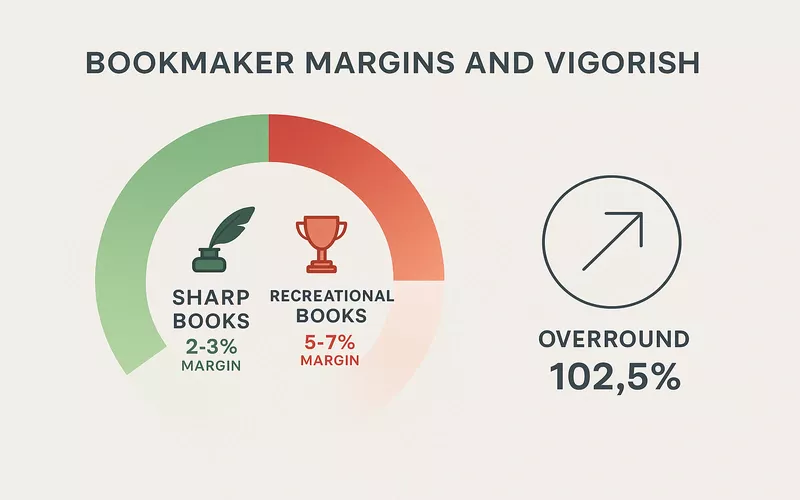
The size of this margin varies dramatically between bookmakers and represents one of the primary differences between sharp books serving professional bettors and recreational books targeting casual customers. A bookmaker like Pinnacle might price major markets with two to three percent margins, meaning their odds are very close to true probability with just a small edge for the house. A recreational bookmaker might price the same markets with five to seven percent margins, building in more profit on each bet.
For bettors, margin directly determines long-term expected value. Lower margins mean odds closer to fair value, which means better prices and better breakeven thresholds. The difference between a two percent margin book and a six percent margin book is the difference between needing fifty-one percent winners to profit and needing fifty-three percent winners to profit. That’s an enormous difference that determines whether your skill level is sufficient to beat the market.
Bookmakers set different margins based on their business models and what action they’re trying to attract. Pinnacle deliberately prices sharp with low margins because they want professional bettors to use their lines to set accurate market prices, then they profit from volume on both sides rather than from huge edges. Recreational bookmakers use higher margins because they’re catering to casual bettors who don’t shop around, they spend heavily on marketing, and they need bigger edges to cover those costs.
Different sports and bet types also carry different margins based on how much information and action the bookmaker receives. Major American sports like NFL and NBA see heavy betting volume from sharp bettors, forcing bookmakers to keep margins tight to remain competitive. Niche sports or lower-tier leagues see less sharp action, allowing bookmakers to maintain higher margins. Props and alternative bets typically carry much higher margins than standard game lines because they’re harder to price accurately.
Understanding margins helps you identify which bookmakers offer the best odds for specific situations. If you’re betting NFL sides and totals, you want the sharpest books with the lowest margins. If you’re betting Korean baseball, you might need to accept higher margins because only certain books offer those markets at all.
The Mechanics of Line Shopping
Line shopping in practice is simpler than many bettors assume, but it does require some setup work upfront and consistent discipline to actually execute on every bet.
The foundation of line shopping is maintaining funded accounts at multiple bookmakers simultaneously. You can’t shop for the best line if you only have an account at one book. The minimum viable approach is three bookmakers this gives you enough comparison to usually find meaningful differences without creating overwhelming account management complexity. Serious line shoppers maintain five to ten accounts to maximize the likelihood of finding the best available price on any given bet.
Choosing which bookmakers to maintain accounts with should be based on which consistently offer competitive odds on the sports you bet most frequently. For NFL and NBA betting, you want access to at least one sharp book like Pinnacle if available in your jurisdiction, one reduced juice book like Heritage Sports or BookMaker that offers minus-108 instead of minus-110, and one or two mainstream books for comparison. For soccer, you might prioritize books known for competitive international markets. For tennis, certain books specialize in those markets with better odds than others.
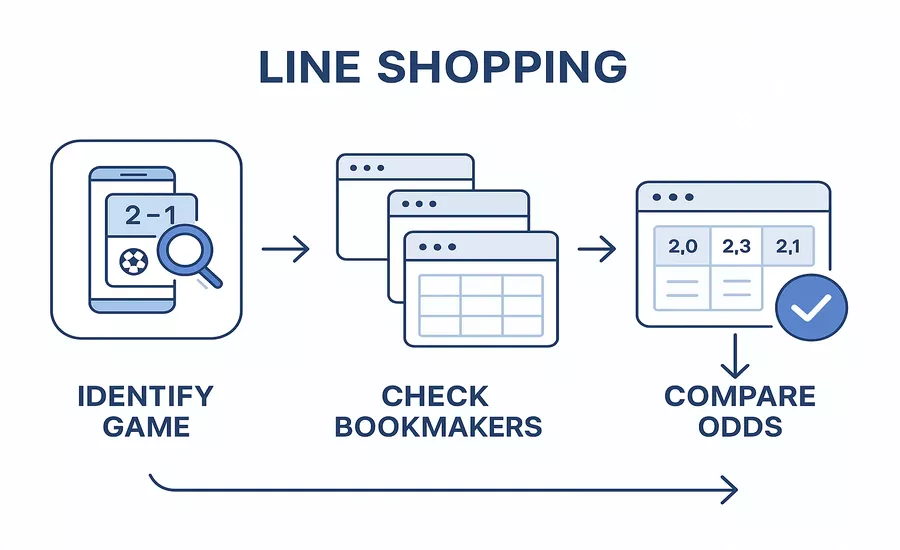
The practical workflow once you have multiple funded accounts is straightforward but requires discipline. When you identify a bet you want to make based on your handicapping, you check the odds at all your bookmakers before placing the wager. This takes thirty to sixty seconds with practice open each app or site, navigate to the game, check the current odds on your selection, note which book offers the best price. Then you place your bet at whichever bookmaker is currently offering the best odds.
The friction point for most bettors is that this process feels tedious compared to the instant gratification of opening one app and clicking immediately. The key is making the process as efficient as possible to reduce friction. If you’re betting from your phone, arrange your bookmaker apps in a folder and develop muscle memory for quickly checking each one. If you’re betting from a computer, keep browser tabs open for each bookmaker during betting sessions. The goal is reducing the line shopping process to less than a minute so it doesn’t feel like a major time investment.
Bankroll management across multiple accounts adds complexity but is necessary for effective line shopping. You need sufficient funds in each account to place the bets you want at the books offering the best odds. This typically means spreading your total bankroll across all accounts rather than keeping everything in one place. The exact distribution depends on which bookmakers you trust most and which you use most frequently, but you want enough flexibility that finding the best odds doesn’t mean you can’t place the bet because that account doesn’t have sufficient balance.
One common question is whether small odds differences are worth the effort. If one book offers minus-109 and another offers minus-110, is the one cent difference meaningful enough to bother? The honest answer is that any difference is mathematically valuable, but at some point the value is small enough relative to the friction that it’s not worth the effort. For most bettors, differences of two cents or more are definitely worth taking the better price. One cent differences are marginal mathematically valuable but whether you bother depends on how convenient the process is.
The exception is that you should always check if one bookmaker is offering different odds entirely rather than just slight juice differences. Sometimes market inefficiencies exist where one book has an outdated line or mispriced a market, offering dramatically better odds than consensus. These opportunities are relatively rare, but when they exist, the value is enormous.
Tools That Make Line Shopping Efficient
Manual line shopping by checking multiple bookmaker apps every time you want to bet works but quickly becomes tedious. Fortunately, several tools exist that make odds comparison dramatically more efficient.
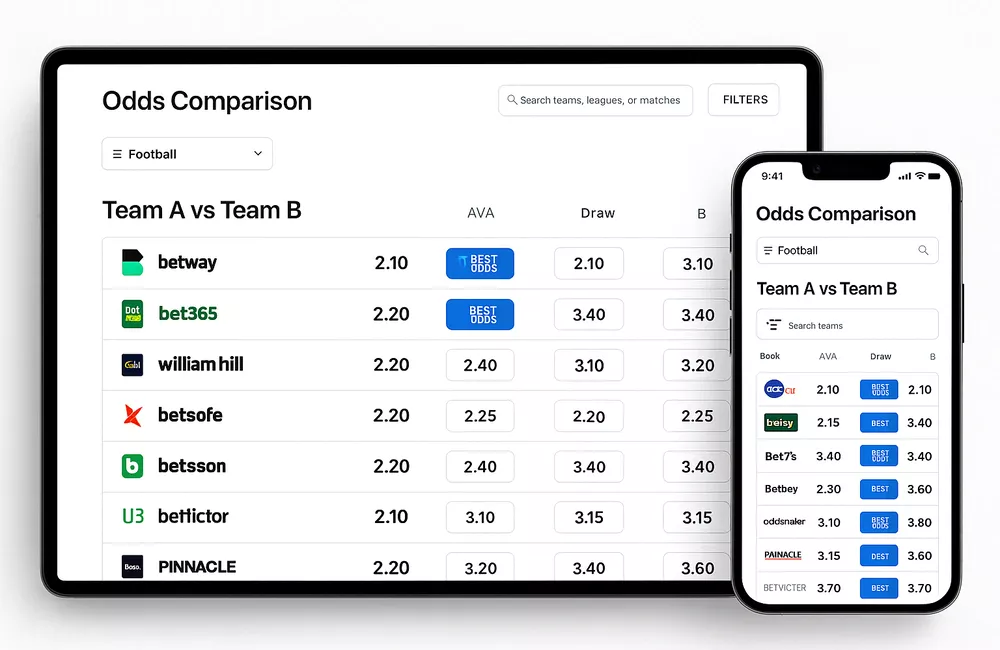
Odds comparison websites aggregate current lines from dozens of bookmakers and display them in sortable tables so you can instantly see which book offers the best price on any market. Sites like OddsChecker, Oddspedia, TheLines, and OddsJam provide comprehensive odds coverage across many sports, updating in real-time or near-real-time as lines move. You type in the game you want to bet, and the site shows you every bookmaker’s current odds in one place, typically highlighting the best available price.
The advantage of odds comparison sites is speed and comprehensive coverage. Rather than manually checking five bookmakers, you look at one page showing all five plus dozens more you might not have accounts with. This lets you identify the best available odds in seconds, then you simply open your account at whichever book is offering that price and place your bet. The time savings compound across many bets to make line shopping far less tedious.
The limitation is that odds comparison sites typically include many bookmakers you don’t have accounts with, so finding the best odds among books you can’t actually bet at isn’t helpful. Most comparison sites let you filter results to only show bookmakers you select, solving this problem. You select your five bookmakers, and the site only shows odds from those operators.
Real-time alerts take odds comparison further by notifying you when specific opportunities arise. Services like OddsJam or Action Network allow setting alerts for certain conditions maybe you want to know whenever a specific team reaches certain plus-money odds, or whenever odds on a game you’re interested in reach a threshold you’d bet at. Rather than constantly monitoring odds, you set your alerts and receive notifications when opportunities matching your criteria appear.
Mobile apps from odds comparison services bring the functionality to your phone, which is where most modern betting happens anyway. Rather than betting primarily from a computer, you can check odds comparison while sitting on your couch, compare prices in seconds, then switch to whichever bookmaker app offers the best line and place your bet.
Spreadsheet tracking for bettors who like comprehensive data provides another approach. You can build a simple spreadsheet that tracks which bookmaker you found the best odds at for each bet you placed, what the odds were, and what the next-best price was from other books you checked. Over time this reveals patterns maybe one bookmaker consistently offers the best NFL odds, another is best for NBA, and a third occasionally has mispriced lines on props. These patterns help you prioritize which bookmakers to check first for specific bet types.
The key principle is that line shopping needs to be easy enough that you actually do it on every bet rather than occasionally when you remember. If the process feels like a huge chore, you’ll skip it when you’re lazy or in a hurry. Tools that reduce line shopping to a thirty-second process before placing any bet make the habit sustainable long-term.
Which Bookmakers Offer the Best Odds
Not all bookmakers price markets identically, and certain operators consistently offer better odds on specific sports or bet types. Understanding which books to prioritize for which bets helps you focus your line shopping efforts efficiently.
For NFL betting, sharp books like Pinnacle, BookMaker, and Heritage Sports typically offer the best odds on sides and totals. These operators target professional bettors and price aggressively to attract sharp action. You’ll commonly find reduced juice at minus-105 or minus-108 on standard lines instead of minus-110 at recreational books. Pinnacle specifically is often the best available price, though they’re not available in most US states. Among regulated US books, some operators occasionally offer competitive odds on marquee games, but recreational books generally maintain higher margins.
NBA betting sees similar patterns, with sharp offshore books offering the tightest lines and lowest margins. The heavy betting volume on NBA forces most bookmakers to price relatively efficiently, but differences of several cents are still common between sharp books and recreational operators. Props and alternative lines typically carry much higher margins across all bookmakers because they’re harder to price accurately.
Major soccer markets, particularly Premier League, Champions League, and top European leagues, see excellent odds at Asian bookmakers like SBOBET and Pinnacle. European bookmakers like Bet365 and William Hill also compete aggressively on soccer pricing since it’s their primary market. American bookmakers often have higher margins on soccer because it’s not their specialty and they receive less soccer betting volume relative to American sports. If you’re primarily a soccer bettor, maintaining accounts at bookmakers that specialize in soccer markets provides significant edges.
Tennis betting shows interesting bookmaker variations. Pinnacle and Bet365 typically offer competitive tennis odds, but some second-tier books occasionally misprice tennis markets because they don’t have the sophisticated algorithms or sharp action that keeps their lines accurate. This creates occasional arbitrage opportunities where odds across books diverge enough that you can bet both sides profitably, though these opportunities are rare and close quickly.
Baseball sees relatively tight markets at sharp books on MLB games, with wider variations on props and alternative lines. Baseball’s statistical nature means sharp bettors analyze it heavily, forcing bookmakers to price carefully. But the daily volume of games and the many prop markets available mean less sharp attention gets distributed across all markets.
College sports show wider variations in odds between bookmakers because regulatory restrictions limit what can be offered, and different books have different risk tolerances for college action. Some states prohibit player props on college sports, creating inconsistent markets. Books that specialize in college sports tend to have sharper lines than those treating it as secondary.
Niche sports and international markets see the widest odds variations because fewer sharp bettors scrutinize these lines. If you have expertise in Korean baseball, Australian rules football, or Scandinavian handball, you might find bookmakers offering significantly different odds on the same games. These edges can be massive compared to major markets, but you need genuine knowledge to identify which odds are too generous.
The practical takeaway is that you can’t rely on one bookmaker being best for everything. The optimal line shopping strategy involves maintaining accounts at several books known for competitive pricing across different sports, then checking all of them before each bet.
When Line Shopping Matters Most
While line shopping provides value on every bet, certain situations make it more or less impactful.
Close games where the line is near pick’em or small spreads see tighter odds clustering across bookmakers because these are efficient markets receiving heavy attention. The edges from line shopping here come from juice differences rather than significantly different lines.
Props and alternative lines show much wider variations between bookmakers because these markets receive less sharp attention and are harder to price accurately. Player props in particular can vary by ten to twenty percent between books. One book might price a receiver at over 65.5 yards receiving, another at over 70.5. If your assessment is that the true number should be around 68, the difference between those two lines is enormous. Line shopping props is arguably even more important than shopping game lines because the variations are larger.
Live betting odds change rapidly and vary widely between bookmakers based on their algorithms and how quickly they adjust to game flow. Some books are faster to adjust live odds, others lag behind, creating temporary value opportunities. But live betting also makes line shopping harder because the odds are moving constantly. Some bettors skip line shopping for live bets and accept whatever their preferred live betting book offers, reasoning that the speed advantage of betting immediately outweighs the odds advantage of shopping.
Futures betting sees particularly wide variations because bookmakers price distant events with higher margins and less precision than near-term markets. Odds on who will win the Super Bowl next February might vary by twenty to thirty percent between books. One book might offer a team at plus-800, another at plus-1000. If you’re betting futures, the value from line shopping is massive compared to game betting. Always check multiple books before placing futures bets.
High-limit bets where you’re wagering large amounts see the biggest absolute dollar impact from line shopping. Betting five thousand at minus-108 instead of minus-110 saves you significant money on that single bet, and across many large bets, the savings accumulate quickly. Professional bettors wagering serious money have no choice but to line shop religiously.
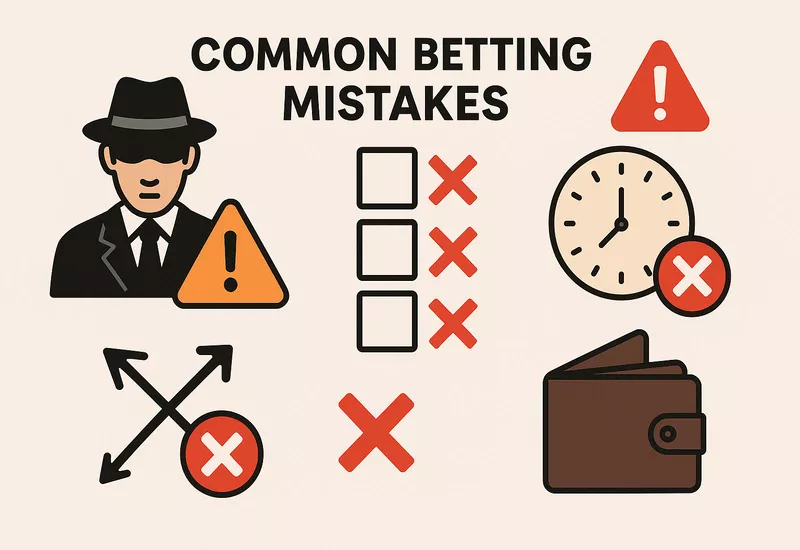
Common Line Shopping Mistakes
Even bettors who understand line shopping in theory often make mistakes in execution that reduce the benefits or create new problems.
Chasing the best odds at sketchy bookmakers represents perhaps the most dangerous mistake. You find a small offshore book offering plus-120 when every reputable book has the game at plus-105, and you’re so excited about the value that you deposit and bet without properly vetting the operator. Then the game wins, and your withdrawal request sits in pending status for weeks. The fifteen cents of extra odds you captured is worthless if the bookmaker refuses to pay out. Always prioritize bookmaker reputation and legitimacy over marginal odds improvements.
Betting at the first good odds you find rather than checking all your accounts is a common shortcut that costs value. You check two books, find minus-108 at one when the other was minus-110, and you place your bet satisfied you found better odds. But you didn’t check your third and fourth accounts, one of which was offering minus-105. The discipline of checking all your accounts every time ensures you’re actually getting the best available price.
Ignoring odds movement and betting stale lines costs value in the opposite direction. You checked odds earlier in the day, found the best price, then placed your bet hours later without rechecking to verify the line hasn’t moved. Always check current odds immediately before placing any bet, even if you checked earlier. Lines move constantly.
Splitting bets across multiple books to use all your accounts creates unnecessary juice. Some bettors think they should place a portion of their bet at each bookmaker to use all their accounts equally. This is backwards you should place your entire bet at whichever book offers the best odds and ignore the other accounts for that specific wager.
Letting account balances get too low to place bets at the book with the best odds undermines the whole strategy. You identify that book A has the best odds, but your balance there is only thirty dollars and you want to bet fifty, so you bet at book B with worse odds because you have funds there. Maintain sufficient balances across all your accounts that you can always bet at whichever book offers the best price.
Building a Sustainable Line Shopping System
The difference between understanding line shopping in theory and actually implementing it consistently comes down to building systems that make the process easy and sustainable.
Start by selecting the right number of bookmakers to maintain accounts with based on your betting frequency. Casual recreational bettors might be fine with two or three accounts. Serious hobbyists should maintain four to six accounts. Professional bettors often maintain eight to twelve accounts or more.
Choose those bookmakers strategically based on which consistently offer competitive odds on the sports you bet most and which you can trust with your funds. At minimum, try to include one sharp book known for low margins, one or two mainstream books for accessibility, and potentially one book known for occasionally having mispriced lines.
Develop a consistent checking routine that becomes automatic before placing any bet. The routine should take less than a minute once it’s habitual open odds comparison site or check your bookmaker apps in sequence, identify best price, place bet at that book. Habits formed through repetition become automatic.
Track your line shopping results to quantify the value you’re capturing. Keep a simple spreadsheet that logs which odds you got versus what you would have gotten at a default book if you hadn’t shopped. Over time you’ll see exactly how much money line shopping has made you, making the habit feel rewarding rather than tedious.
Automate what you can through tools and technology to reduce friction. If odds comparison sites or apps make the process faster, use them. Any reduction in the time and effort required to line shop makes you more likely to actually do it consistently.
Rebalance account balances periodically to ensure you have funds available at all your bookmakers. Every few weeks, review your balances and deposit more or withdraw excess so you can always bet at whichever book offers the best odds.
Accept that line shopping adds some friction to betting but reframe that friction as valuable process that protects you from costly shortcuts. The discipline of always checking before betting prevents impulsive wagers and forces you to at least briefly confirm you still want to make the bet you’re considering.
The goal is making line shopping so ingrained in your betting process that not doing it feels wrong. It becomes part of proper bet execution rather than an optional extra step you do when you’re feeling disciplined.
